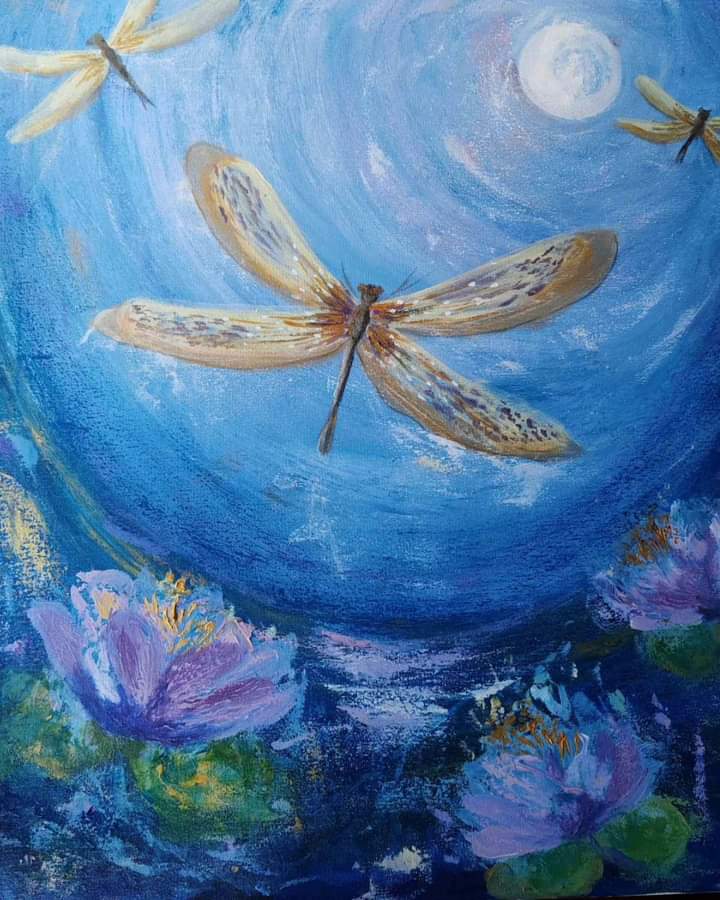
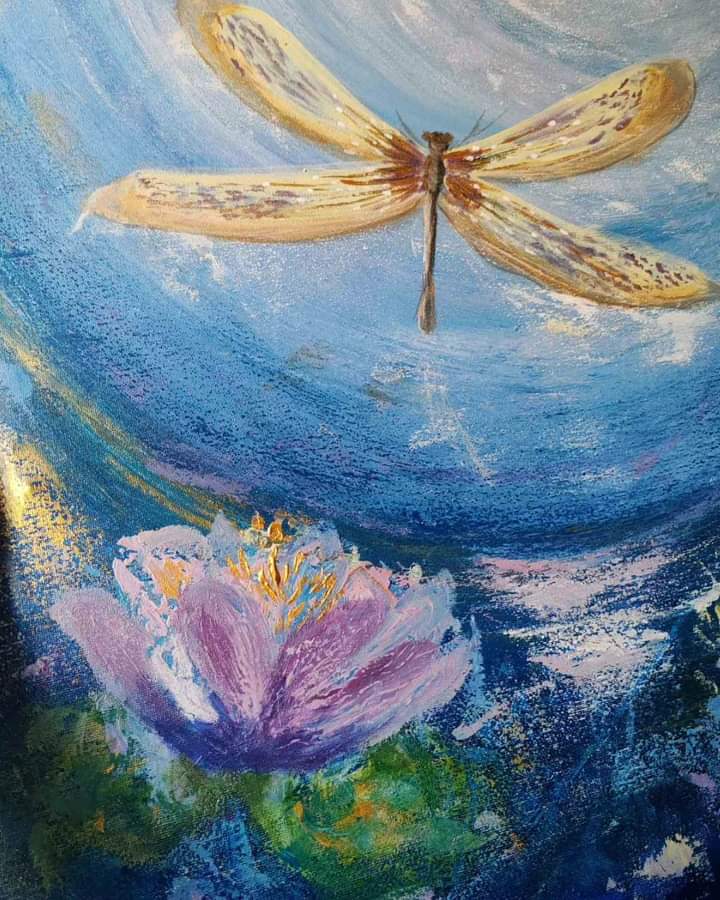
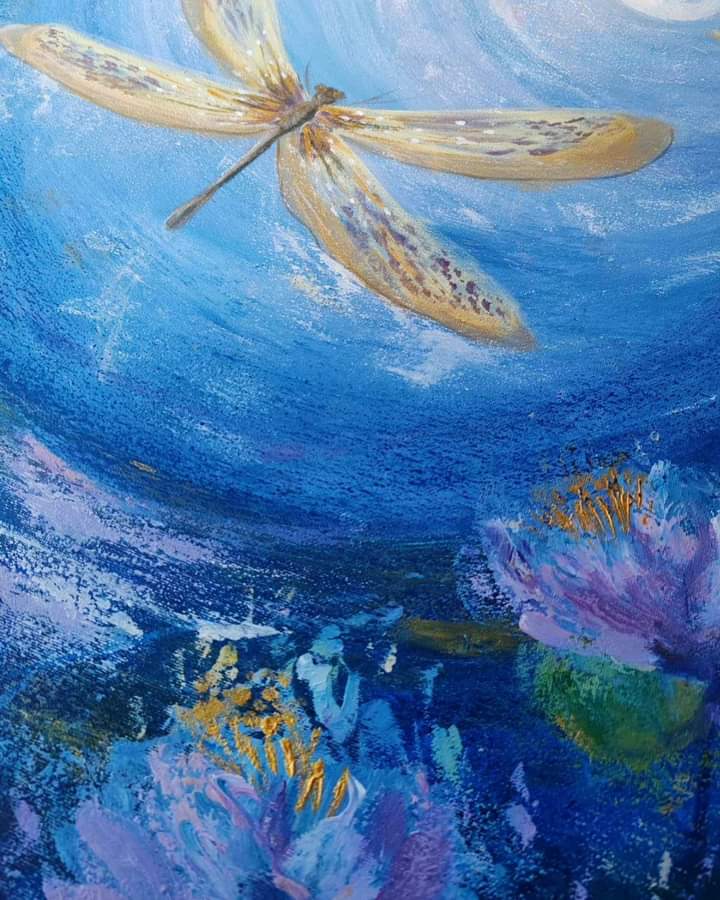
At first glance, Dance in the Moonlight may seem like a light story about a little girl named Lenka and her adventure, but it is in fact a layered tale. Dance in the Moonlight The plot is set in a real space — a girl’s bedroom — but quickly moves into the realm of fantasy.
Lenka’s world makes no distinction between imagination and reality — for her, everything is possible because she has not yet learned to doubt. Through her belief in the dragonflies, she actually connects with her own essence — spiritual curiosity and expression through movement and creation.
Lenka is an eight-year-old girl, but as a character, she carries deep symbolism. She is a child who asks questions, believes in goodness, and is unafraid of the world. She discovers her authenticity thanks to the dragonflies, who are not just fairy-tale creatures but guardians of movement, freedom, and creativity. They do not teach the girl to dance “the right way,” but that movement comes from inner joy. From this important life metaphor, we can conclude that we are not made to follow form but to discover our own rhythm.
At the end of the story, when Lenka draws what she experienced, a new layer of meaning opens up. The drawing, regardless of its technical quality, becomes a document of the soul — a trace that confirms the experience happened — if not externally, then internally. Lenka’s creation carries a powerful message: true creation is not measured by skill but by the truthfulness of feeling. Just as dance was the movement of the soul, so is the drawing her affirmation of presence in the world.
Through art, the girl remembers and thus grows. This is the power of a child’s imagination: it teaches us not only to believe in fairy tales but to live truthfully.
Analysis of the tale
All images seen here are the result of my personal effort and creativity. Please do not use them for commercial purposes or repost them without proper credit and my permission. If you are interested in a collaboration or purchase, feel free to contact me.